
Search “prostate massage benefits” and you’ll find confident lists of cures: it fixes prostatitis, shrinks enlarged prostates, restores erections, even prevents cancer. Look for the studies behind those lists and the picture gets much quieter. The claims aren’t all false, but almost none of them are as settled as the listicles suggest.
This article does something the top-ranking pages don’t: it grades every major claim against the actual research, names the studies, and tells you where the evidence is strong, mixed, weak, or simply absent. If you want the practical side, our step-by-step Prostate Massage 101 guide covers technique; our beginner’s guide to anal play and prostate wellness covers the bigger safety picture. Here, we answer a narrower question: which benefits are real?
Key Takeaways
- The strongest evidence near this topic isn’t about massage at all. A Harvard study of 31,925 men found those ejaculating 21+ times a month had roughly a 20% lower prostate cancer risk than those at 4–7, but it measured ejaculation, not massage.
- For chronic prostatitis, early uncontrolled studies reported about 40% of patients improving with massage plus antibiotics, but the only controlled trial found massage added no significant benefit over antibiotics alone.
- For enlarged prostates (BPH) and erectile dysfunction, the evidence is anecdotal or absent.
- Pleasure is real, widely reported, and a legitimate reason to explore. It just isn’t a medical claim.
- One finding is unambiguous: never massage an acutely infected prostate. It can push bacteria into the bloodstream.
How we graded the evidence
We sorted every common claim into four evidence grades: Strong means large or controlled studies support it. Mixed means smaller studies contradict each other. Weak means only case reports or subjective surveys exist. Anecdotal means no studies exist at all, just testimonials. The table adds two special cases: Misattributed, where strong evidence exists but belongs to a different claim than the one being marketed, and Well-reported, where consistent human experience doesn’t need a clinical trial to be valid.
This grading is necessary because prostate massage research is genuinely thin. There is little funding for it, recruitment is difficult, and outcomes are hard to measure objectively. Even the researchers who support massage admit this. A 1999 review in Techniques in Urology, co-authored by clinicians who used massage in their own practices, concluded there are “almost no prospective data” supporting it and that its science relied on “anecdotal experiences, small uncontrolled studies” (Nickel et al., 1999). That was more than 25 years ago, and remarkably little has changed.
Here’s the map of everything that follows:
| Claim | Grade | Key evidence |
|---|---|---|
| Chronic prostatitis relief | Mixed | Small positive studies vs. one negative controlled trial |
| Enlarged prostate (BPH) | Weak | A one-patient case report; subjective-only surveys |
| Erectile dysfunction | Anecdotal | No controlled studies exist |
| Prostate cancer prevention | Misattributed | The strong data measures ejaculation frequency, not massage |
| Pleasure and orgasm intensity | Well-reported | Consistent self-reports; no medical claim involved |
Chronic prostatitis: mixed evidence, honestly told
This is the most-studied claim, and it deserves two stories, not one.
Some context first. Prostatitis-like symptoms are common: surveys put their prevalence at 2% to 10% of men, and prostatitis accounts for 8% of all urology clinic visits (Krieger et al., 2008). Around 90% of cases are chronic prostatitis/chronic pelvic pain syndrome, meaning no bacterial infection is found (NCBI Bookshelf).
Story one: the encouraging studies. In 1999, Shoskes and Zeitlin reported that 40% of chronic prostatitis patients treated with antibiotics plus prostatic massage had lasting clinical improvement. Nickel and colleagues reported similar benefit from massage two to three times a week alongside antibiotics. Both studies were small and uncontrolled, with no comparison group, but the results were promising enough that massage remained a standard add-on therapy in some urology clinics.
Story two: the controlled trial. In 2006, Ateya and colleagues published the only prospective controlled study: 81 men with chronic prostatitis, comparing antibiotics alone against antibiotics plus prostatic massage. Massage did not significantly improve outcomes. Overall, 37% of patients resolved completely, 22.2% improved then relapsed, 27.1% improved partially, and 13.5% saw no benefit (Ateya et al., Urology, 2006). One detail matters: men with bacterial prostatitis (category II) responded far better than men with the non-bacterial form (52% versus 29% complete improvement), which is why some clinicians still offer massage as an add-on for confirmed bacterial cases.
The verdict: mixed. If you have chronic prostatitis, especially a confirmed bacterial case, massage under a urologist’s guidance is a reasonable thing to discuss. If anyone tells you it’s a proven cure, they’re citing the small studies and skipping the controlled one.
Enlarged prostate (BPH): weak evidence at best
Benign prostatic hyperplasia is the most common prostate condition in ageing men, and it’s where massage marketing gets boldest, and thinnest. No reliable evidence shows that prostate massage shrinks an enlarged prostate or treats BPH.
What’s actually published: a 2023 case report describing one 55-year-old man whose prostate volume dropped about 30% after three weeks of twice-weekly therapeutic massage: a single patient, no control group, and the massage was abdominal, not prostatic (Wilk et al., Medical Science Pulse, 2023). Beyond that, the record consists of subjective symptom reports without objective measures. That’s the entire case. Meanwhile, the scale of BPH is enormous and rising: autopsy studies find histological BPH in about 8% of men in their forties, 50% in their sixties, and 80% in their eighties (Epidemiology of Clinical BPH, 2017), and the Global Burden of Disease study counted 94 million BPH cases worldwide in 2019, up from 51 million in 2000 (GBD 2019).
At most, some men report temporary relief of pressure and easier urination after massage, plausibly because expressed fluid reduces swelling that compresses the urethra. That’s symptom management, not treatment. The therapies with real evidence behind them are alpha-blockers, 5-alpha-reductase inhibitors, and, for larger prostates, surgical procedures. If urinary symptoms are your problem, a urologist visit will do more than any massage device.
Erectile dysfunction and pleasure: one claim is empty, the other doesn’t need science
ED first. There is no meaningful evidence that prostate massage treats erectile dysfunction. ED usually has vascular, hormonal, neurological, or psychological causes, none of which massage touches. This matters beyond accuracy: ED can be an early marker of cardiovascular disease, so self-treating it with massage instead of getting checked is a bad trade.
Pleasure is a different conversation. Intense, sometimes full-body orgasms from prostate stimulation are among the most consistently reported experiences in male sexuality, across forums, surveys, and clinical sexology writing. That evidence is anecdotal in the scientific sense, but it doesn’t need to be anything else. Wanting a new kind of pleasure is a complete and legitimate reason to explore prostate play; it doesn’t need to borrow credibility from medical claims it can’t support. If that’s what brings you here, our Prostate Massage 101 guide walks through technique and safety step by step, starting with a no-insertion option.
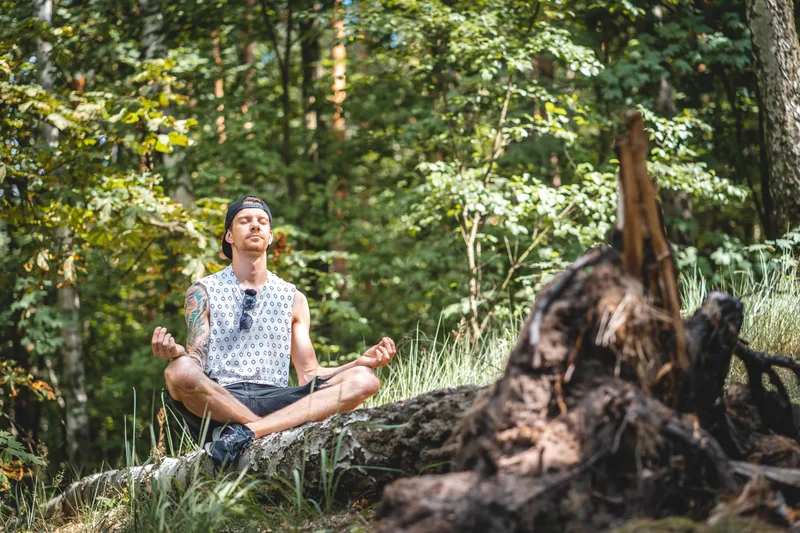
Prostate cancer: the strong evidence isn’t about massage
Here’s the most misreported finding in this whole topic. The famous Harvard study, the one cited everywhere as proof that “prostate massage prevents cancer”, never studied massage. It measured ejaculation frequency: intercourse, masturbation, and nocturnal emissions combined.
The study itself is genuinely strong. Rider and colleagues followed 31,925 men for 18 years and found that men ejaculating 21 or more times per month had a lower prostate cancer risk than those at 4–7 times per month: a hazard ratio of 0.81 when frequency was reported for ages 20–29, and 0.78 for ages 40–49, roughly a 20% lower risk (Rider et al., European Urology, 2016). An Australian case-control study of 2,338 men pointed the same direction: men who ejaculated most frequently in early adulthood were about a third less likely to be diagnosed with prostate cancer before age 70 (Giles et al., BJU International, 2003).
Two honest caveats. First, this is observational data: it shows association, not proof of cause: frequent ejaculators may differ in other healthy ways. Second, the proposed mechanism (regularly flushing the prostate of accumulated fluid) is exactly what ejaculation already does, far more efficiently than any massage. The practical takeaway is about sexual frequency generally, a topic we cover in what science says about masturbation and health, not about buying a massager.
The one unambiguous finding: when massage is dangerous
After all this grading, the clearest conclusion in the literature isn’t a benefit. It’s a contraindication. Never massage an acutely infected prostate. In acute bacterial prostatitis, the gland is swollen with active infection, and massaging it can push bacteria into the urinary tract and bloodstream, potentially causing sepsis. This isn’t contested anywhere in urology.
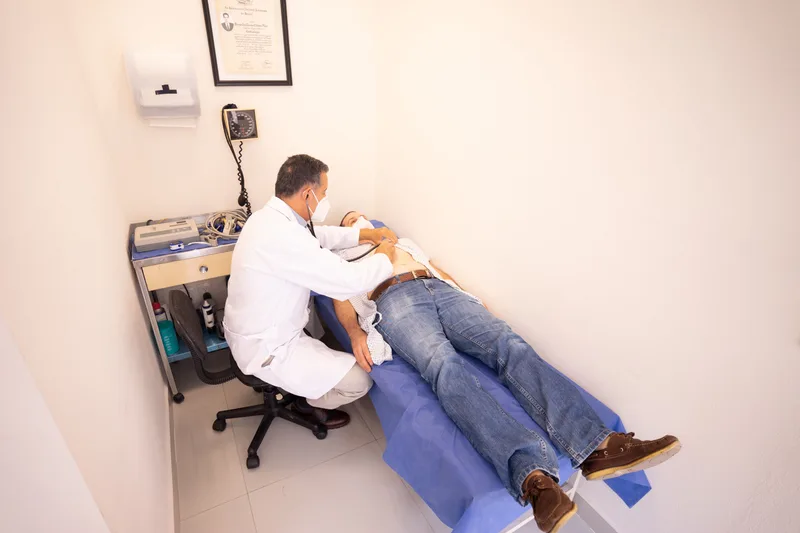
The full avoid list: acute prostatitis or any urinary infection with fever; a suspected prostate abscess; suspected or diagnosed prostate cancer (massage can also distort PSA readings); and active hemorrhoids or anal fissures. Add one behavioural rule: aggressive technique causes tears and bleeding, so gentle pressure with generous water-based lubricant is the only acceptable approach. The details are in our pain-free safety guide.
There’s also a quieter risk: using massage to self-treat urinary symptoms instead of getting a diagnosis. Weak stream, frequent urination, pelvic pain, or blood in semen or urine are reasons to see a doctor first: they can signal BPH, prostatitis, or cancer, and massage masks none of them well. Cleveland Clinic urologist Petar Bajic puts the medical consensus bluntly: “There’s no evidence that a prostate massage provides any medical benefit” (Cleveland Clinic). We grade that as slightly too absolute: the pleasure reports are real, and bacterial prostatitis has a genuine, if narrow, evidence thread. But as a corrective to marketing hype, it’s the right instinct.
Frequently asked questions
Does prostate massage actually have health benefits?
Mostly no, in the medical sense. The honest summary: pleasure is real and well-reported; chronic bacterial prostatitis has mixed evidence as an add-on to antibiotics; BPH and ED claims are weak or absent; and the cancer-prevention data everyone cites measured ejaculation frequency, not massage. Enjoy it for what it is, and see a doctor for what it isn’t.
Can prostate massage shrink an enlarged prostate?
No reliable evidence says so. The strongest published support is a 2023 case report about a single patient: interesting, but not something you can generalise from. BPH has well-proven treatments (alpha-blockers, 5-alpha-reductase inhibitors, procedures); massage is not among them.
Is it safe to massage your own prostate?
For a healthy person, gentle self-massage with trimmed nails, generous water-based lubricant, and a flared-base toy carries low risk. The dangers concentrate in specific situations: active infection, suspected cancer, hemorrhoids or fissures, and rough technique. Our myths vs. facts guide for first-timers separates the real risks from the exaggerated ones.
How often should you ejaculate for prostate health?
There’s no prescribed dose. The Harvard data found an association between 21+ ejaculations a month and about 20% lower prostate cancer risk, but that’s observational: a pattern, not a prescription. Regular sexual activity at whatever frequency feels natural to you is a reasonable reading of the evidence.
Can prostate massage help with ED?
There’s no evidence it does, and ED is worth taking seriously on its own terms: it can be an early sign of cardiovascular disease, diabetes, or hormonal issues, all of which deserve a proper workup rather than self-treatment.
The bottom line
Grade by grade: prostatitis relief is mixed: promising small studies, one negative controlled trial, and a plausible role only for confirmed bacterial cases under medical guidance. BPH and ED claims are weak to absent. The cancer data is strong but misattributed: it belongs to ejaculation frequency, not massage. Pleasure is real, and it never needed a medical excuse. The only finding with no nuance at all is the danger of massaging an infected prostate.
- Chronic prostatitis: discuss it with a urologist; don’t self-prescribe.
- BPH and ED: see a doctor; proven treatments exist.
- Cancer prevention: the evidence points at ejaculation frequency, full stop.
- Pleasure: a complete reason on its own, so explore it safely.
- The red line: never massage during an acute infection.
If you’re exploring for pleasure, start with our Prostate Massage 101 guide for technique, and browse our body-safe anal plug collection when you’re ready for a purpose-built toy. Every order ships across the UAE in plain, unmarked packaging, cash on delivery, with nothing revealing on your statement. And if any urinary or pelvic symptom is what’s actually on your mind, make the doctor’s appointment first. That’s the finding the research supports most strongly.
This article is for general educational purposes and isn’t a substitute for personal medical advice. If you have urinary symptoms, pelvic pain, blood in semen or urine, or any prostate concern, talk to a qualified healthcare provider.